Today at 18:44
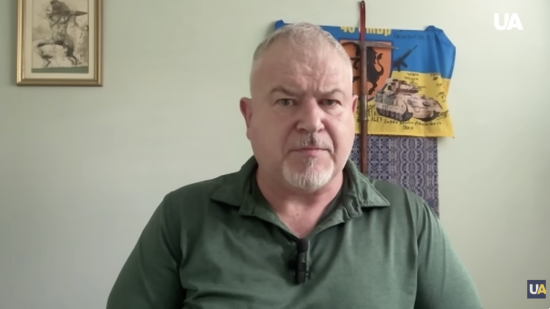
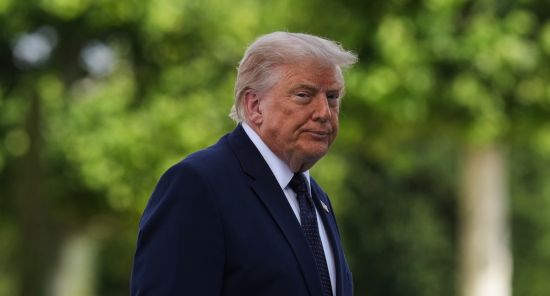
U.S. President Donald Trump is showing a growing willingness to increase support for Ukraine, while recent decisions on Patriot air defense systems and NATO assistance could significantly strengthen pressure on Russia, according to Yehor Cherniev, head of Ukraine’s delegation to the NATO Parliamentary Assembly.
In an interview with Ukrinform, Cherniev said Trump has reassessed the dynamics of the war.
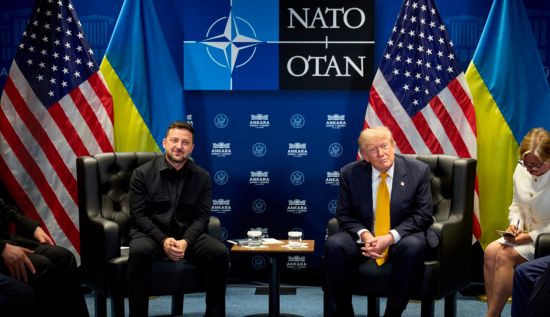
“Trump has determined who the weak link is in this war, and that is Putin. That is why the conversation with our president was friendly and constructive. Trump wants to end the war in Europe as quickly as possible to free up resources for other priorities. And he is now banking on Ukraine,” Cherniev said.
He noted that Trump’s description of his meeting with President Volodymyr Zelenskyy as “very positive,” along with his support for Ukraine’s right to strike Russian oil refineries, reflects a broader shift in the U.S. president’s position.
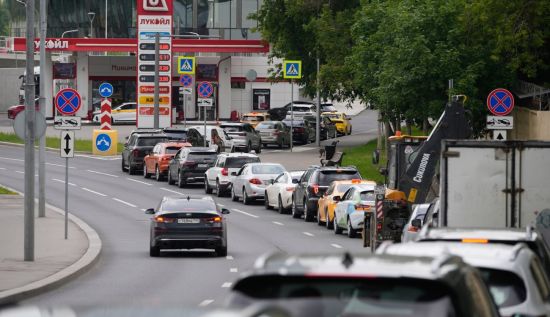
According to Cherniev, several factors contributed to this change, including Ukraine’s battlefield successes, growing problems in Russia’s fuel sector, domestic political considerations ahead of U.S. congressional elections, and the outcome of the U.S. military campaign against Iran.
“Trump has realized that the U.S. is not all-powerful and needs the support of its European allies. And to achieve this, it is necessary to help them resolve the Russian problem,” he said.
Cherniev added that Washington is seeking to bring at least one of the major conflicts—in Europe or the Middle East—to an end in order to focus more resources on the Indo-Pacific region.
The lawmaker also highlighted Trump’s reported readiness to authorize Ukraine to manufacture Patriot missiles under license.
According to Cherniev, if production begins promptly and the United States ensures a steady supply of critical components, particularly missile seekers, Ukraine could produce its first domestically manufactured Patriot missiles within two to three years.
He also said Ukraine has secured agreements on urgent deliveries of additional anti-ballistic interceptors.
“Emergency deliveries will include 10 to 20 missiles from various countries, drawn from available national stockpiles. The situation should improve within a few months as previously contracted interceptors begin arriving,” Cherniev said.
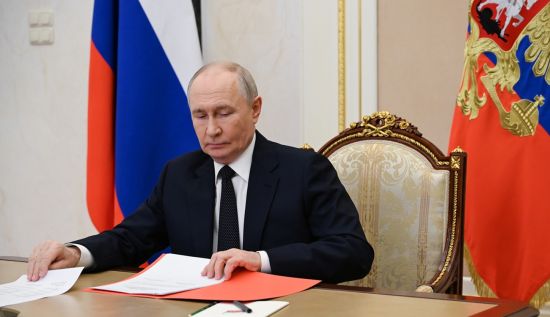
Commenting on Trump’s remarks about applying “strong pressure” on Russian President Vladimir Putin, Cherniev argued that the most effective tools remain expanded military and financial support for Ukraine alongside tougher sanctions against Russia.
He pointed to NATO’s commitment to provide €140 billion in military assistance to Ukraine in 2026–2027, as well as the reported authorization for Patriot missile production, as significant sources of pressure on the Kremlin.
“If the United States also begins imposing additional sanctions against Russia, it will be a perfect storm for Moscow,” Cherniev said.
He added that Russia is likely to engage in genuine peace negotiations only when it loses the military or economic ability to continue the war.
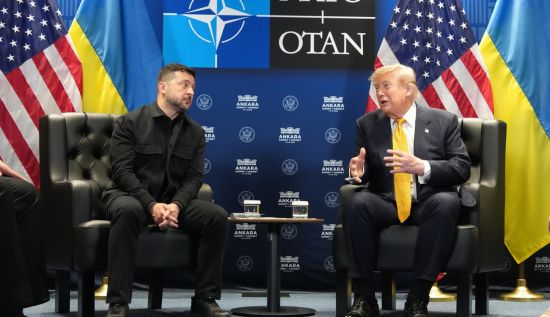
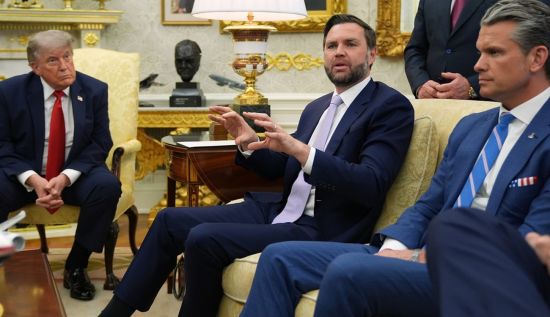
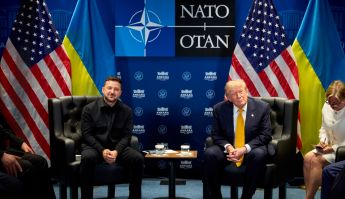
President Volodymyr Zelenskyy and U.S. President Donald Trump met on July 8 on the sidelines of the NATO summit in Ankara.
Read also: Kremlin Yet to Decide How to Respond to Trump’s Statements on the War and Patriot for Ukraine — ISW