Today at 17:04
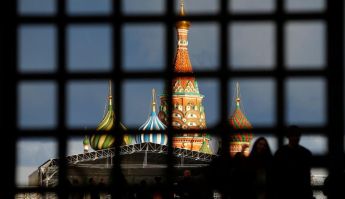
Russia is reducing spending on road construction and maintenance as rising military expenditures associated with the war against Ukraine place increasing pressure on the federal budget, according to Ukraine’s Foreign Intelligence Service (SZRU), UATV English informs.
The agency reported that Russian Prime Minister Mikhail Mishustin has approved significant reductions in funding for road infrastructure projects, including the construction, modernization, and maintenance of federal highways.
According to the intelligence assessment, spending on federal road maintenance will be cut by 11 billion rubles this year, followed by an additional reduction of 20 billion rubles next year.
The cuts are part of a broader revision of infrastructure spending plans. Overall funding for road projects over the next six years will reportedly be reduced by approximately 100 billion rubles, affecting programs that had originally envisioned the construction or modernization of more than 2,000 kilometers of highways.
The SZRU argues that the reductions reflect the growing strain that military spending is placing on Russia’s civilian sectors as the Kremlin continues to prioritize financing the war.
The intelligence service also accused Russian authorities of presenting misleading statistics regarding infrastructure development.
According to official Russian figures, road construction and repair activities increased by 14% last year, reaching approximately 28,000 kilometers. However, Ukrainian intelligence notes that only about 220 kilometers of new federal highways were actually built during that period.
For comparison, the report points out that China constructs roughly 26,000 kilometers of new roads annually.
The agency further highlighted a legislative initiative currently under consideration in Russia’s State Duma that would exempt citizens from penalties for repairing roads independently.
Under existing regulations, individuals who conduct unauthorized repairs of potholes or road surfaces can face fines ranging from 5,000 to 10,000 rubles, while legal entities may be fined up to 300,000 rubles.
According to the SZRU, the proposed legislation suggests that authorities are increasingly shifting responsibilities traditionally handled by state institutions onto ordinary citizens due to budgetary constraints.
The intelligence service warned that similar approaches could soon appear in other sectors facing chronic underfunding.
“Housing and utility services may become the next area where self-management practices are introduced, as accumulated infrastructure modernization needs have already reached 4.5 trillion rubles,” the report stated.
The assessment also argues that the concentration of financial resources in Russia’s defense sector is producing broader economic distortions.
According to the intelligence service, exceptionally high profits in defense-related industries are accelerating stagnation in civilian manufacturing sectors, further deepening structural imbalances within the Russian economy.
The reported cuts underscore the growing trade-offs facing Moscow as it seeks to sustain high levels of military spending while maintaining investment in domestic infrastructure and public services.
Analysts have increasingly noted that prolonged wartime expenditures are placing additional pressure on Russia’s budget, forcing authorities to redirect resources away from long-term development projects toward immediate military needs.
Read also: U.S. and Japan Launch Major Military Exercise Focused on Defense of Remote Islands