Today at 13:23
Germany was late in recognizing the scale of Russia’s hybrid attacks, but in recent years its political leadership and security institutions have increasingly drawn public attention to the threat.
According to UATV English, this was stated by Colonel Sönke Marahrens, a representative of the Digitalization and Capability Development Center of the Bundeswehr’s Cyber and Information Domain Service (CIR), as quoted by Ukrinform.
Speaking at the New Age Defence security conference in Berlin, Marahrens acknowledged that Germany was relatively late in recognizing that it was being targeted through hybrid methods.
“But I would say that over the past one and a half to two years, we have seen a shift at the political level as well,” he said.
According to Marahrens, German intelligence agencies and state institutions are now much more open about informing citizens of the changing security environment.
The colonel stressed that hybrid threats go far beyond drones or sabotage against critical infrastructure.
“It is not only drones, and it is not only undersea cables. It is also disinformation within our society. It is the use of political and judicial systems, and the concept of ‘one-time agents,’” he said.
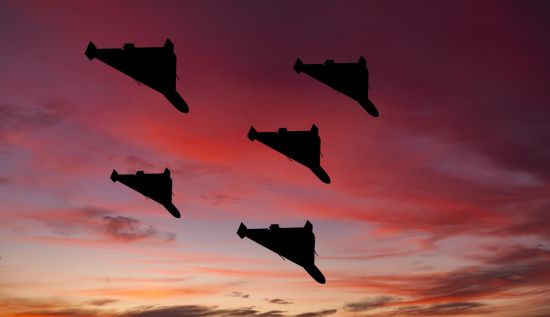
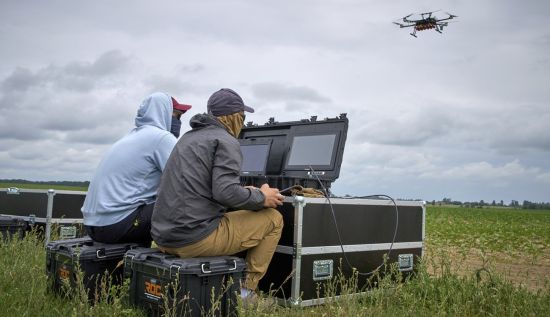
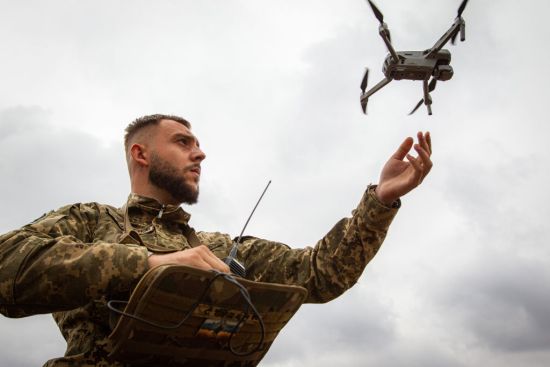
Marahrens noted that one of the most visible manifestations of recent hybrid activity has been the appearance of unidentified drones over critical infrastructure sites. In his view, the primary effect of such operations is psychological rather than military.
At the same time, he emphasized the need to strengthen Germany’s mechanisms for responding to hybrid threats. According to the officer, the country’s newly established National Security Council should be granted real authority to make rapid decisions.
The Bundeswehr representative also highlighted that Germany is closely studying Ukraine’s experience in countering Russian aggression.
Earlier, Carsten Breuer, Chief of the German Armed Forces, stated that recent drone incidents in the Baltic states had raised concerns among NATO allies.
German Foreign Minister Johann Wadephul has also argued that Europe should carefully study Ukraine’s experience in maintaining energy resilience during wartime.
Read also: Zelenskyy: Russia Hopes to Drive a Wedge Between Ukraine and Its Allies Through Drone Incidents