Today at 08:47
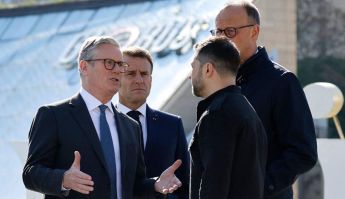
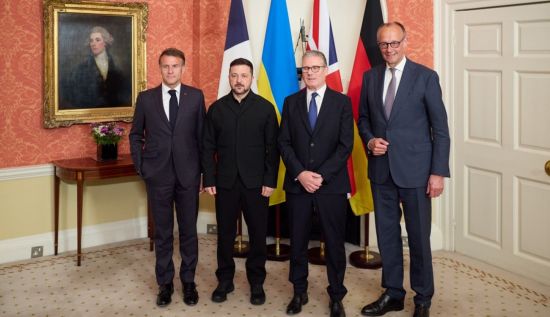
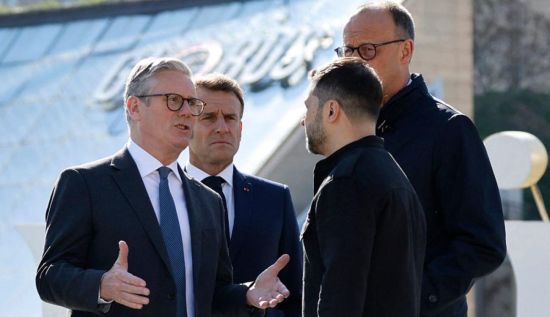
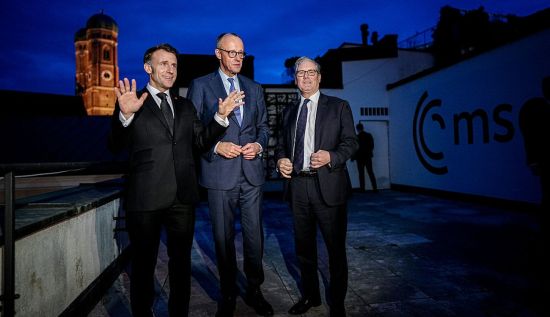
The leaders of the United Kingdom, Germany, France, and Ukraine have reaffirmed their unwavering support for Ukraine and outlined key conditions they believe are necessary to achieve a just and lasting peace, UATV English reports.
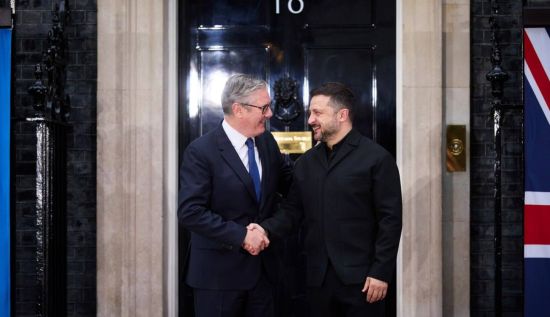
According to a joint statement issued after talks in London on June 7, attended by UK Prime Minister Keir Starmer, French President Emmanuel Macron, German Chancellor Friedrich Merz, and Ukrainian President Volodymyr Zelenskyy, the leaders agreed that Europe must play a central role in any future settlement while working closely with Ukraine, broader European partners, and the United States.
The statement outlined five key principles:
- An immediate ceasefire. The leaders called on Russian President Vladimir Putin to agree to a full and immediate cessation of hostilities.
- The current front line as the starting point for negotiations. They stressed that international borders must not be changed by force and that Ukraine’s sovereign right to choose its security arrangements and alliances must be fully respected.
- Binding security guarantees for Ukraine. Once a ceasefire takes effect, Ukraine should receive robust and legally binding security guarantees, including the deployment of a multinational force in Ukraine, building on commitments agreed in Berlin in December 2025 and Paris in January 2026.
- Frozen Russian assets remain frozen. The leaders stated that Russian sovereign assets will remain frozen until Russia ends its war of aggression and compensates Ukraine for war-related damages.
- Protection of European security interests. Any agreement affecting the European Union or NATO must be approved by EU member states and NATO allies.
The leaders welcomed Zelenskyy’s June 4 letter calling for a negotiated end to the war and supported the idea of direct dialogue between Ukraine and Russia, with active participation from both the United States and Europe.
They also discussed coordination ahead of the upcoming G7 Summit, meetings of the Coalition of the Willing, and the NATO Summit.
The statement emphasized the urgent need to increase production of interceptor missiles, jointly develop missile-defense and deep-strike capabilities, and strengthen the long-term resilience of Ukraine’s armed forces.
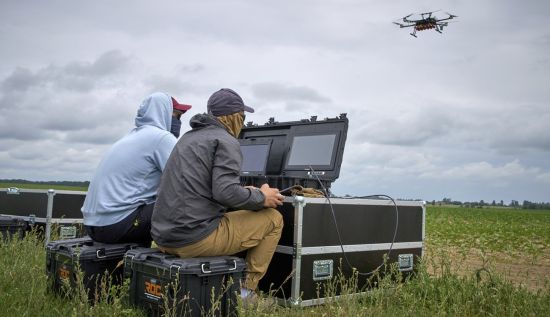
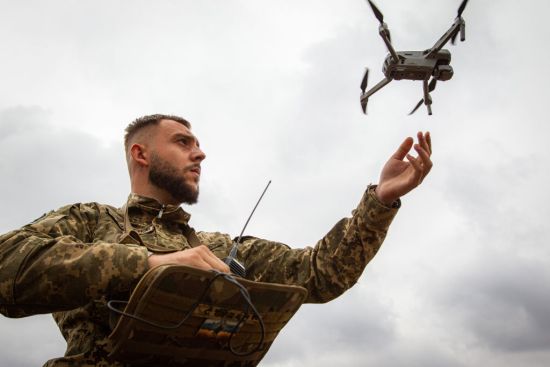
The four leaders also highlighted Ukraine’s recent battlefield achievements, including territorial gains and innovative use of drone technology, while condemning Russia’s large-scale missile and drone attacks against Ukrainian cities and what they described as dangerous Russian drone incursions into NATO territory.
The statement concluded with a pledge that European partners will continue to stand firmly alongside Ukraine.
Read also: Zelenskyy: Freezing the Front Line at Current Positions Is the “Fastest Path” to Peace