Today at 14:41

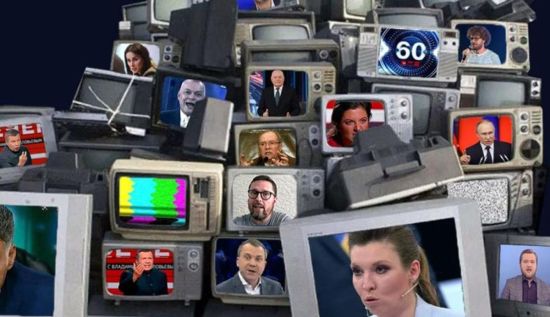
Russia is deliberately leveraging United Nations mechanisms to broaden its propaganda infrastructure across Africa, according to Ukraine’s Defense Intelligence (DIU).
In a statement posted on its Telegram channel and reported by UATV English, the DIU said that Moscow is exploiting international institutions to advance narratives aligned with Kremlin interests.
The agency pointed to a January 2026 announcement by Russia’s Permanent Delegation to UNESCO regarding a voluntary contribution of $250,000 to the International Programme for the Development of Communication (IPDC).
While the funding was officially designated for initiatives consistent with UNESCO’s mission—such as promoting independent journalism, countering online violence, and strengthening media literacy—the DIU argues that Moscow’s intentions extend beyond those formal objectives.
According to Ukrainian intelligence, financial contributions through the IPDC provide donor countries with influence over project design, thematic priorities, and messaging. The DIU alleges that Russia is using this leverage to shape media environments in African states and promote narratives favorable to the Kremlin.
Russia’s Permanent Representative to UNESCO, Rinat Alyautdinov, has reportedly described Africa as a “priority” region within Moscow’s broader strategy.
Projects intended to cultivate a pro-Russian information space are expected to be implemented in Malawi, Mali, Ghana, Kenya, and Senegal during 2026–2027, the DIU said.
The agency emphasized that, as part of its broader effort to support allied regimes, Moscow seeks to transform the IPDC and similar international initiatives into instruments for disseminating Kremlin-backed messaging and advancing an alternative global narrative.
Previously, Ukraine’s Defense Intelligence reported that Russia plans to recruit approximately 20,000 foreign nationals—including migrant workers—into its armed forces in 2026.
Read also: Ukraine and Hungary Open a New Chapter in Bilateral Relations — Sybiha