Yesterday at 21:51

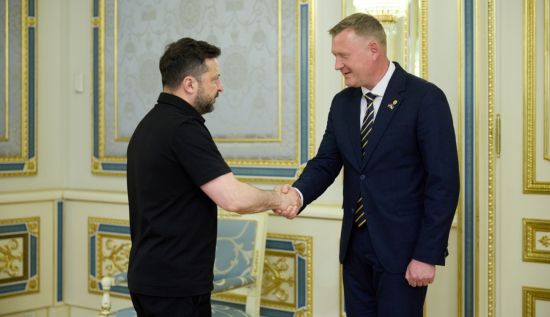
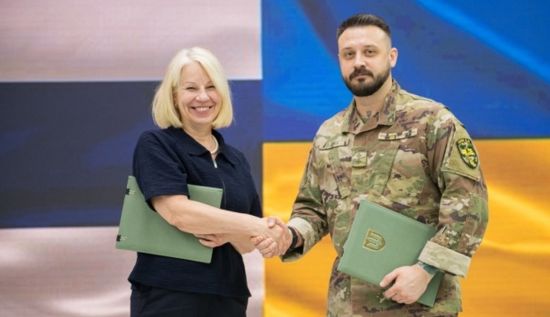
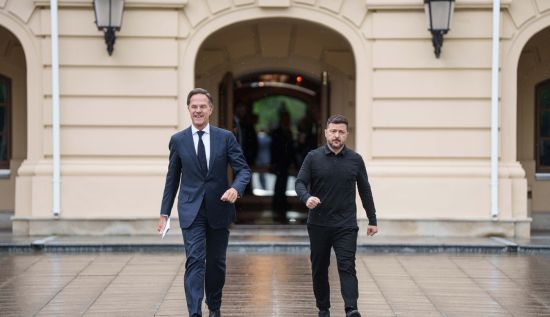
Ukraine has now concluded 28 bilateral security cooperation agreements with its international partners as of November 2025, the Ministry of Defence announced. According to UATV English, these agreements — all signed by President Volodymyr Zelenskyy— formalize long-term commitments to strengthen Ukraine’s defence and expand strategic cooperation.
The ministry emphasized that the agreements build on the G7 Joint Declaration of Security Assurances adopted at the 2023 NATO Summit in Vilnius, forming the backbone of a new long-term security architecture for Ukraine.
They commit partner states to sustained military, political, financial and humanitarian support, as well as deeper cooperation across defence industries, intelligence, cyber, infrastructure protection, and scientific research.
Ukraine has signed security agreements with:
the United Kingdom, Germany, France, Denmark, Canada, Italy, the Netherlands, Finland, Latvia, Spain, Belgium, Portugal, Sweden, Iceland, Norway, Japan, the United States, Estonia, Lithuania, Poland, Luxembourg, Romania, the Czech Republic, Slovenia, Ireland, Greece (awaiting ratification), and Albania.
A separate security agreement was also signed with the European Union, representing all 27 EU member states.
The ministry highlighted that these pacts are designed to deepen bilateral defence cooperation and enable joint action in wider multilateral mechanisms. Most agreements include provisions for:
- Joint defence capability development
- Training and preparation of military personnel
- Industrial cooperation and co-production of weapons
- Cybersecurity and intelligence sharing
- Infrastructure protection and humanitarian coordination
All agreements are structured for a ten-year term. They include mechanisms for urgent consultations in case of renewed Russian aggression, support for Ukraine’s reforms on the path to EU and NATO membership, and measures to rebuild and modernize the defence industry.
The EU–Ukraine security agreement specifically focuses on sectoral reform, integration into the European defence space, sanction coordination, and recovery planning.
Some of the most important provisions remain classified, aimed at enhancing Ukraine’s deterrence and enabling the launch of strategic defence projects with key allies.
According to the ministry, taken together, these agreements create the foundation of a new system of collective security in Europe, meant to prevent future aggression and ensure long-term stability.
Earlier, Prime Minister Denys Shmyhal confirmed that Ukraine plans to begin localized production of Gripen fighter jets starting in 2033.