Yesterday at 22:20

German Chancellor Friedrich Merz played a key role in convincing U.S. President Donald Trump to authorize the delivery of additional Patriot air defense systems to Ukraine, according to a new Wall Street Journal report.
The shift reportedly came amid Trump’s growing frustration over failed attempts to persuade Vladimir Putin to pause Russia’s war against Ukraine — a turning point that European diplomats now describe as a window of opportunity.
Citing close aides to Chancellor Merz, the WSJ notes that he has established a more effective working relationship with Trump than his predecessor Olaf Scholz. A major contributing factor was Merz’s willingness to pay for American-made weapons for Ukraine.
German officials view Merz’s influence over Trump — culminating in Washington’s reversal on military aid — as Berlin’s biggest diplomatic success in months.
According to sources familiar with the talks, Merz initiated a phone call with Trump on July 3, shortly after media reports emerged that the Pentagon had frozen weapon deliveries to Ukraine — including packages approved under the Biden administration.
In that conversation, Merz offered to buy two Patriot systems from the U.S. for Ukraine and framed the call as a gesture of friendship for America’s Independence Day.
Trump reportedly did not immediately commit to the deal but voiced irritation over Putin, saying the Russian president was “stringing him along.”
On July 11, after Russia launched another wave of missile attacks on Ukraine, Trump unexpectedly called Merz directly from his mobile phone, expressing frustration with the Kremlin and surprising the German leader with his tone.
According to sources cited by WSJ, Trump agreed to the deal and offered to send not two, but five Patriot systems to Ukraine. Merz accepted the proposal on the spot, though he noted the need to coordinate financing with other European partners.
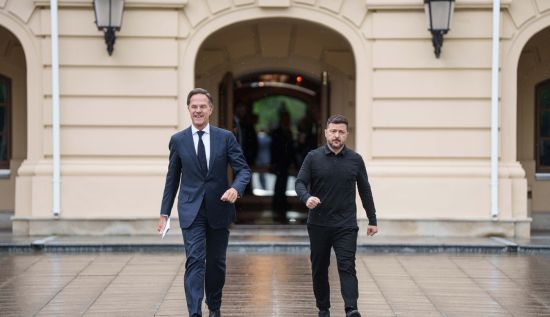
Germany is now expected to transfer two of its own Patriot systems to Ukraine and purchase replacements from the U.S. at a cost of around $2 billion. One additional system will be funded by Norway, while NATO Secretary General Mark Rutte has said that Denmark, Finland, and Canada may also contribute to the procurement.
On July 14, Trump formally announced a new NATO–U.S. agreement under which European allies will finance U.S. weapons deliveries to Ukraine. He also confirmed the shipment of additional Patriot systems and hinted at the possibility of sending Tomahawk missiles to target Russia’s rear positions.