Yesterday at 20:03

A roundtable discussion titled “Ukraine–Middle East: A New Architecture of Partnership” was held in Kyiv to mark the launch of the Arabic-language version of the website of Ukrinform. During the event, Deputy Director General of the State Enterprise Multimedia Platform for Ukraine’s Foreign Broadcasting (MPIU), Vadym Lubchak, shared Ukraine’s experience in working with Arabic-speaking audiences.
Participants discussed the importance of direct communication with the Arab world, strategic planning for promoting Ukrainian narratives, and the need to unite the efforts of diplomats and media professionals to effectively counter Russian propaganda and strengthen partnerships with Arab countries.
At a time when the Middle East remains one of the key regions in global politics and economics, it is strategically important for Ukraine to deepen cooperation with states across the region. The new information platform is intended to strengthen Ukraine’s presence in the Arabic-language media space, support political, economic, and humanitarian dialogue, and bring Ukraine’s perspective to millions of Arabic-speaking readers.
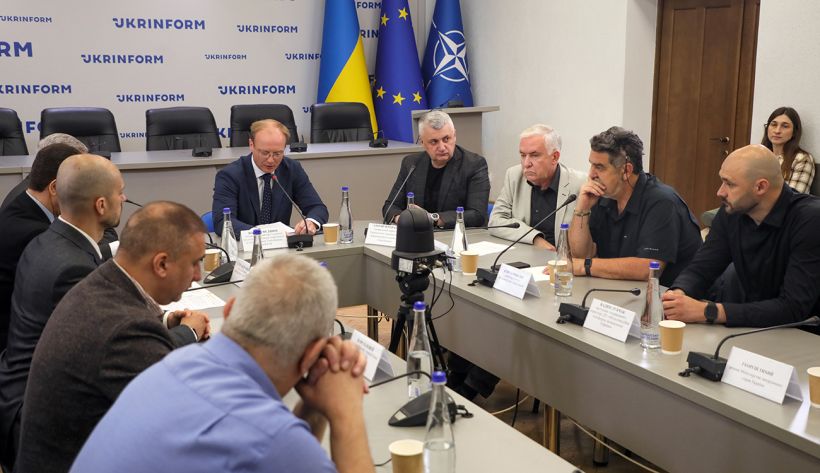
In his remarks, Serhii Cherevatyi noted that many countries in the Middle East and Africa still hold stereotypes about Ukraine that need to be challenged.
“Following the president’s visits to Arab countries, we see both challenges and opportunities in this complex environment. We have identified common ground rooted in many years of cooperation. Our enemy is trying to spread disinformation. We will do everything possible to dismantle these myths, including in the Arab world. We must debunk these narratives and find areas of mutual interest,” Cherevatyi said.
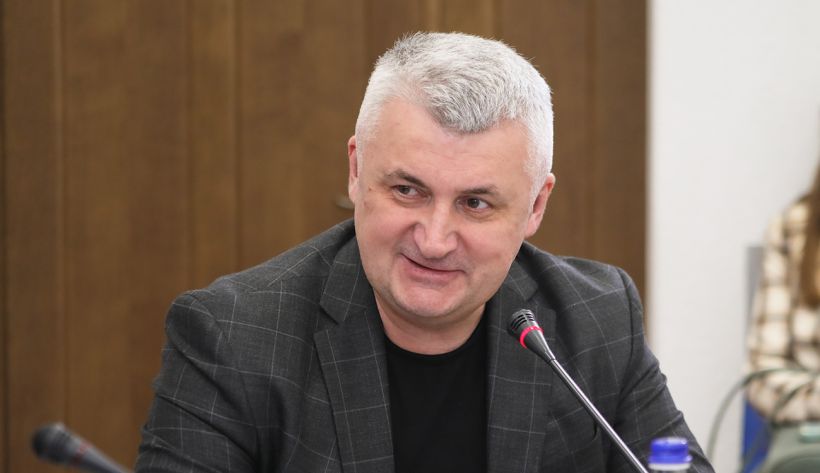
According to the head of Ukrinform, the Arabic-language website should become another bridge to an important audience of more than 400 million Arabic speakers.
Vadym Lubchak, Head of Digital at “IBMPU” and Deputy Director General, spoke about the experience of Ukrainian international broadcasting in engaging Arabic-speaking audiences. He congratulated colleagues on the launch of the Arabic-language platform and stressed the importance of clearly defining the messages Ukraine seeks to convey.
“We work with this audience through YouTube and Facebook. Today, the UATV Arabic YouTube channel has reached 45 million views, while the Facebook page has generated more than 300 million views since the start of the full-scale invasion. The audience is primarily interested in military topics — new Ukrainian weapons, official updates from the battlefield, and related developments,” Vadym Lubchak said.
He noted that more than 80 percent of the audience on UATV Arabic’s YouTube and Facebook platforms consists of middle-aged and older men. Lubchak also emphasized that Russia is highly active in the Arab information space and continues to spread disinformation about Ukraine that resonates with audiences in the region. According to him, this is evident in the comments posted on Arabic-language social media platforms.
“We often encounter different perceptions of our content. We see that many stereotypes and prejudices have been shaped by Russian narratives and propaganda, as a significant part of the Arab world remains influenced by Russian media. To overcome this, we devote considerable attention to direct communication with audiences on social networks,” SE “IBMPU” representative said.
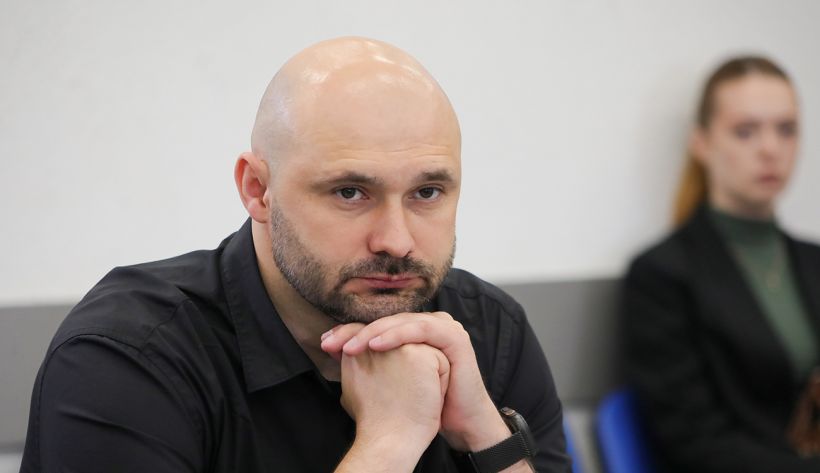
Lubchak stressed that effective counteraction to Russian narratives requires building relationships with local media, government officials, and experts, as well as strengthening content distribution channels throughout Arabic-speaking countries.
Participants also discussed the credibility of media in Arab countries, where state-owned or national news agencies are traditionally associated with verified and trustworthy information.
Ukrainian Foreign Ministry spokesperson Heorhii Tykhyi noted that the status of a state or national news agency is viewed as “a major advantage, greater trust, and enormous added value” in the Arab world. Tykhyi described the Arabic-language information space as one of the most challenging environments due to the prevalence of Russian narratives. Nevertheless, he argued that Ukraine must rise to the challenge and ensure that its perspective is better represented, more realistic, and more understandable to local audiences.
He also suggested that in difficult audiences such as those in Arab and African countries, messages focused on Ukraine’s strengths and opportunities for cooperation may be more effective than narratives centered solely on losses and suffering.
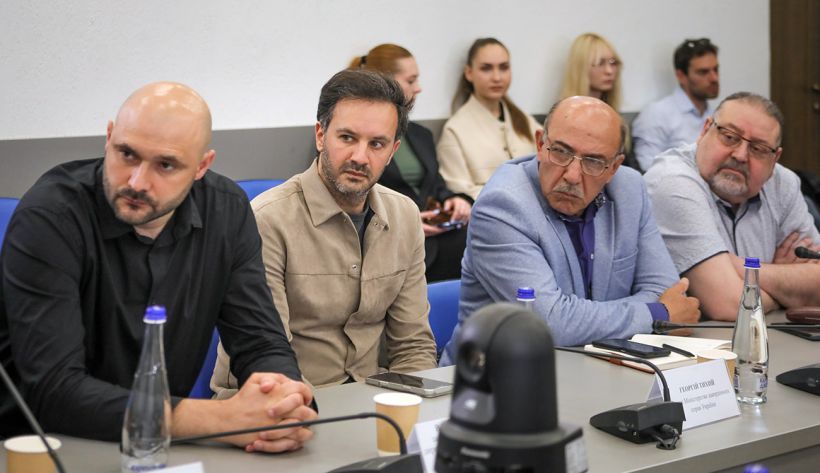
Director of the National Institute for Strategic Studies, Oleksandr Bohomolov, observed that Ukraine has not previously engaged systematically with Arab audiences, while Russia has pursued a long-term strategy of influence through educational partnerships, media cooperation agreements, social media activity, and projects such as the Arabic-language edition of BRICS TV. However, Bohomolov stressed that while this presents a significant challenge, it is far from insurmountable.
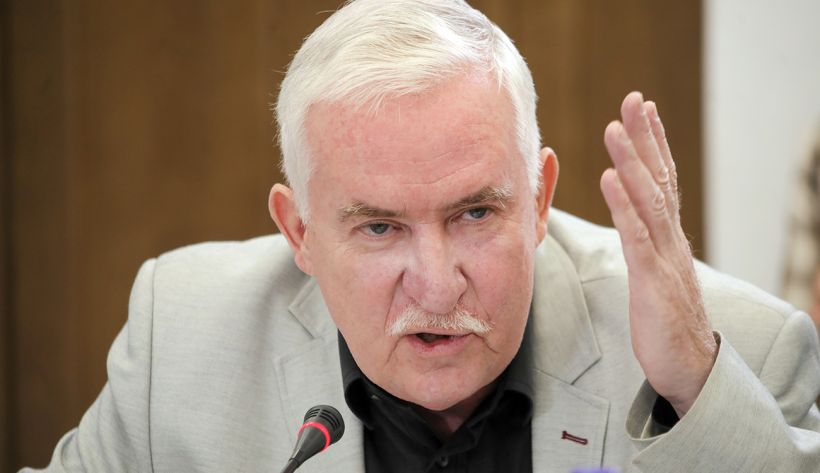
Meanwhile, Ihor Semyvolos argued that Ukraine needs a long-term Middle East strategy because tactical successes and asymmetric actions cannot replace a permanent institutional presence in the region.
“We know how to make bright asymmetric moves and unconventional decisions at the right moment. That is a real strength. But asymmetry is a tactic of a smaller player and cannot substitute for consistency. We are present situationally, but not institutionally. We are visible during crises but invisible between them,” he said.
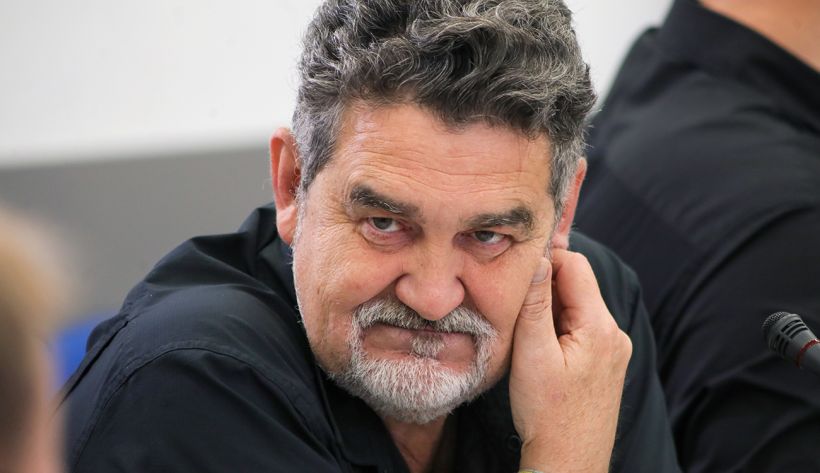
According to Ihor Solovey, Russia has spent years promoting anti-Western narratives in the Arab world.
“As a result, Russia’s aggression against Ukraine is often perceived there as part of a broader global confrontation, depriving Ukraine of its own agency,” he noted.
At the same time, following recent developments in the Middle East, perceptions are gradually changing, with Ukraine increasingly seen as a source of unique military and technological expertise and as a valuable security partner.
Participants unanimously emphasized the need for sustained efforts to promote Ukraine as a reliable security partner for Arab countries and to communicate the benefits of deeper cooperation with Kyiv.
The discussion also covered Ukraine’s foreign policy in the Middle East and the country’s role in regional geopolitical developments. Deputy Foreign Minister Oleksandr Mishchenko highlighted growing cooperation between Ukraine and Arab states, particularly following President Volodymyr Zelenskyy’s recent visits to the region.
Mishchenko stressed that Ukraine’s practical experience gained in resisting Russian aggression could be valuable to partners in protecting civilians and critical infrastructure.
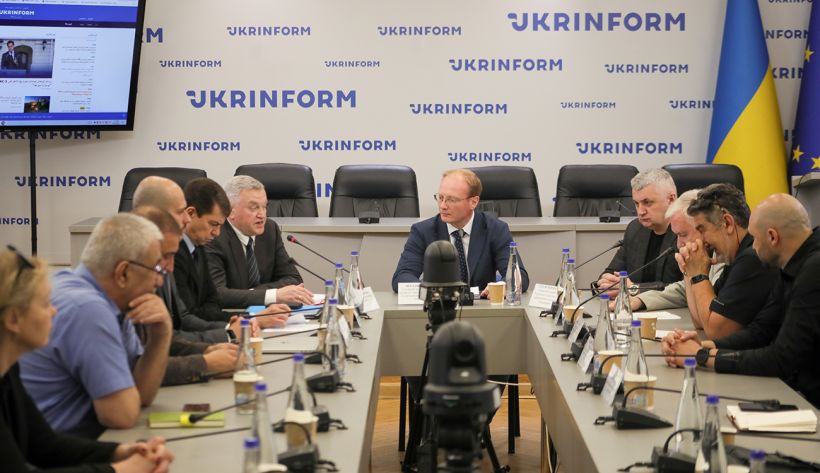
The roundtable discussion “Ukraine–Middle East: A New Architecture of Partnership” took place in Kyiv on June 4.
Participants included Serhii Cherevatyi, Director General of Ukrinform; Oleh Nalyvaiko, Head of the State Committee for Television and Radio Broadcasting of Ukraine; Oleksandr Mishchenko, Deputy Minister of Foreign Affairs of Ukraine; Vadym Lubchak, Deputy Director General of the State Enterprise “International Broadcasting Multimedia Platform of Ukraine”; Ihor Semyvolos, Director of the Center for Middle Eastern Studies; Oleksandr Bohomolov, Director of the National Institute for Strategic Studies; Ihor Solovey, Head of the Center for Strategic Communications; and Heorhii Tykhyi, Spokesperson of the Ministry of Foreign Affairs of Ukraine. Joining the discussion online were Ukraine’s Ambassador to the United Arab Emirates, Oleksandr Balanutsa; Ukraine’s Ambassador to the Saudi Arabia, Anatolii Petrenko; and Ukraine’s Ambassador to Egypt, Mykola Nahornyi.