Today at 21:05

Russia has officially acknowledged that its oil production has declined since the beginning of 2026, attributing the drop to what officials described as “unscheduled maintenance” at several oil refineries.
Russian Deputy Prime Minister Alexander Novak made the statement on June 4 during the St. Petersburg International Economic Forum, according to Reuters, UATV English reports.
It marks the first official admission by Moscow that oil output has fallen this year. Russia, the world’s third-largest oil producer, stopped publishing detailed production statistics in April 2023.
“Current production is indeed somewhat lower than it was at the beginning of the year. This is due to the fact that a number of our refineries are currently undergoing unscheduled maintenance,” Novak said.
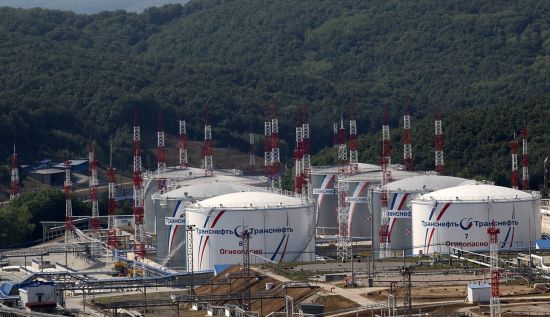
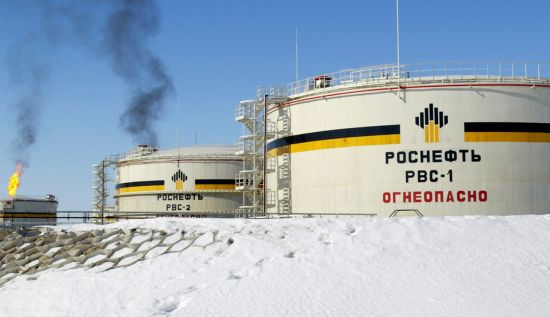
The Russian official did not specify the reasons behind the unexpected repairs. However, Ukraine has significantly intensified long-range strikes against Russian oil refining infrastructure in recent months.
According to data from the International Energy Agency (IEA), Russia’s crude oil production in April fell by approximately 460,000 barrels per day compared with the same period last year, reaching around 8.8 million barrels per day.
Despite the decline, Novak argued that the OPEC+ alliance continues to play a crucial role in stabilizing global energy markets, even after the withdrawal of the United Arab Emirates from the group.
The admission comes as Russia dramatically increases financial support for its refining sector. In May 2026, the Russian government paid oil refineries 204.3 billion rubles (about $2.8 billion) in compensation—nearly five times more than during the same month a year earlier and only slightly below April’s record payout of 207.5 billion rubles.
Oil and gas revenues remain a critical source of funding for the Russian state, accounting for roughly 20% of federal budget income. In May, those revenues rose 32.4% year-over-year to 678.9 billion rubles (approximately $9.3 billion), largely driven by higher global oil prices amid tensions in the Middle East.