Yesterday at 20:05

Debates on the 19th package of EU sanctions against Russia are still ongoing, but this is a normal process for a bloc consisting of 27 member states whose opinions may differ.
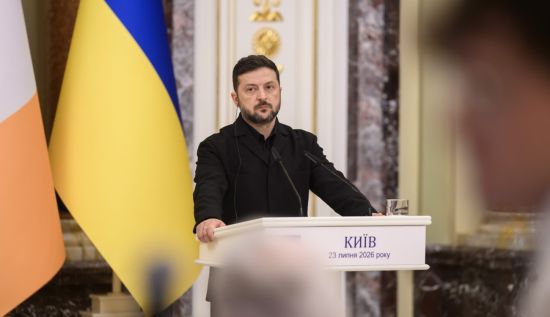
EU High Representative for Foreign Affairs and Security Policy Kaja Kallas said this during a joint press conference with President Volodymyr Zelenskyy, responding to a question about whether the EU would be able to overcome a potential veto from individual member states.
“As for political support for Ukraine, the EU is working on the 19th sanctions package to increase pressure on Russia and force it to stop this war. Russia’s economy is already weak. We continue to weaken it with our sanctions so that they stop funding the war,” Kallas said.
When asked whether the EU is considering ways to overcome the blocking of the new package by some member states, Kallas replied:
“This is already the 19th sanctions package, and every time we have faced certain difficulties, because we are 27 member states — 27 different democracies.”
She noted that debates are ongoing, and the EU is trying to achieve results before the European Council meeting scheduled for October 23.
Kallas expressed hope that even if EU leaders fail to reach an agreement on the 19th package of sanctions next week, “in the end, we will still achieve a result and a decision, as has happened before.”
On September 19, the European Commission approved proposals for a new, 19th package of sanctions against the Russian Federation. The measures target, among other things, Russia’s energy sector, cryptocurrency platforms, the export of materials that could be used for warfare, and mechanisms for circumventing sanctions.
If the so-called reparations loan for Ukraine is approved, Kyiv will decide how to use the funds – Kaja Kallas.
If the so-called reparations loan for Ukraine is approved — a loan to be secured by frozen Russian assets in Europe — it will be up to Kyiv to decide how to use the received funds.
EU High Representative for Foreign Affairs and Security Policy Kaja Kallas stated this during a joint briefing with President Volodymyr Zelenskyy, responding to a question about whether frozen Russian assets could be used to purchase Tomahawk missiles for Ukraine, Ukrinform reports.
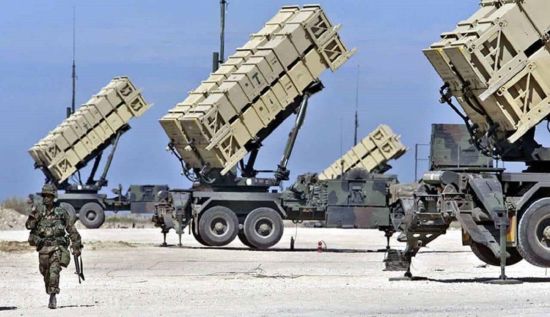
“Ukraine knows best what military capabilities it needs — whether it’s Patriot, Tomahawk, or other systems. So it’s not for us to say, but for Ukraine to decide what it really needs. We are trying to help Ukraine with these needs, and that’s why we are discussing different support initiatives,” Kallas said.
She added that Ukraine should also determine how to use the funds in the event that the idea of a “reparations loan” is approved.
“As for the frozen assets, regarding the reparations loan based on these frozen assets and on the idea that Russia owes Ukraine for the damage caused — Ukraine should decide itself how this money will be used,” the EU’s top diplomat noted.
As reported, U.S. President Donald Trump said that Ukraine could receive Tomahawk cruise missiles if Russia refuses a peaceful settlement.
Earlier, President Volodymyr Zelenskyy stated that Russia fears the transfer of Tomahawk missiles to Ukraine, and that this could serve as a tool to achieve peace.
Meanwhile, EU leaders are discussing the idea of opening for Ukraine a so-called “reparations loan,” backed by cash collateral from frozen Russian assets in the EU, which Ukraine would only have to repay after Russia pays reparations for the war damage it caused.
President Volodymyr Zelenskyy will take part in the European Council meeting to be held in Brussels on October 23, where leaders will discuss, among other things, further support for Ukraine using frozen Russian assets.
Read also: Zelenskyy explains how the purchase of Tomahawks will be financed if the decision is approved