Today at 17:13

The arrest of Venezuelan President Nicolás Maduro and the potential transfer of control over the country’s oil assets to the United States represent a major financial and geopolitical blow to Russia, significantly weakening Moscow’s influence in Latin America and threatening its budget stability.
This assessment was published by the Foreign Intelligence Service of Ukraine (SZRU) on Telegram, according to UATV English.
According to intelligence analysis, the concentration of more than half of the world’s proven oil reserves under U.S. influence would give Washington powerful leverage over global energy markets. In particular, it could enable the United States to keep the price of Russian oil at around $50 per barrel — a level described as critical for Russia’s state budget.
Such price pressure would severely limit the Kremlin’s ability to finance both its economy and military operations.
Additional strain comes from Venezuela’s outstanding debts to Russia. Between 2006 and 2017, Moscow provided the Venezuelan government and the state oil company PDVSA with approximately $17 billion in loans.
As of 2017, Caracas owed Russia $3.5 billion, with repayments postponed until 2027. Ukrainian intelligence notes that the likelihood of recovering these funds is rapidly diminishing under the new political and security conditions.
Russia is also effectively losing control over Venezuelan oil assets. Stakes acquired by Rosneft in the late 2010s were transferred to Roszarubezhneft after U.S. sanctions were imposed on PDVSA. However, intelligence analysts assess that effective management of these assets under sanctions and political pressure is no longer realistic.
Taken together, a possible restructuring of Venezuela’s oil sector under U.S. control would deprive Moscow of one of its few energy footholds outside Eurasia. This development highlights the structural vulnerability of Russia’s economy and its critical dependence on external control over global oil prices, the intelligence service concludes.
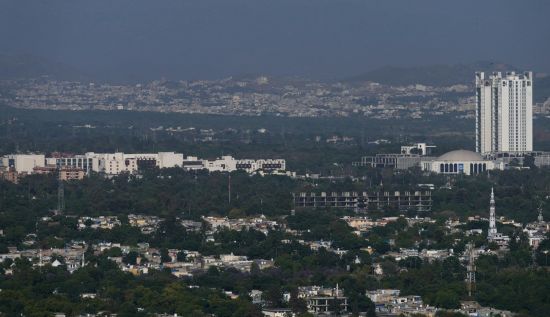
Earlier reports said that explosions rocked Caracas on January 3, leaving parts of the city without electricity.
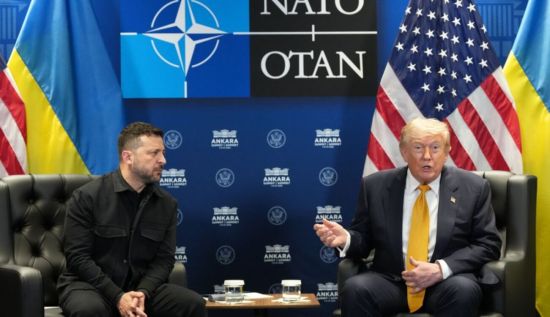
U.S. President Donald Trump later announced that the United States had carried out a “large-scale strike” in Venezuela, stating that President Nicolás Maduro and his wife had been detained and removed from the country.
Venezuela’s Interior Minister Diosdado Cabello claimed that around 100 people were killed and a similar number wounded during U.S. airstrikes conducted as Maduro was captured.