Today at 20:02

he ceasefire memorandum signed by the United States and Iran in mid-June halted months of fighting and reopened the Strait of Hormuz, but the agreement remains highly vulnerable due to unresolved disputes over maritime security, Iran’s nuclear program, and regional proxy conflicts.
Although the 14-point memorandum established a 60-day roadmap toward a comprehensive settlement, tensions resurfaced almost immediately. Iran announced the renewed closure of the Strait of Hormuz in response to continued Israeli strikes on Hezbollah, while Washington rejected Tehran’s claim to regulate international shipping through the waterway. Despite the agreement, commercial navigation remains dependent on fragile political understandings.
Fragile Diplomatic Progress
The first round of negotiations in Switzerland, involving U.S. and Iranian officials with mediation from Qatar and Pakistan, produced mechanisms for maritime deconfliction, renewed nuclear inspections, and discussions on Lebanon. However, the talks focused largely on procedural arrangements rather than resolving the core political disagreements that triggered the conflict.
Hormuz Remains the Central Flashpoint
The Strait of Hormuz continues to be the agreement’s most immediate fault line. Iran has sought to assert greater control over shipping by requiring vessels to seek permission and proposing transit fees, measures rejected by both the United States and Oman. Given that the waterway carries roughly one-fifth of global oil supplies, any renewed confrontation could rapidly disrupt international energy markets.
Lebanon Could Undermine the Ceasefire
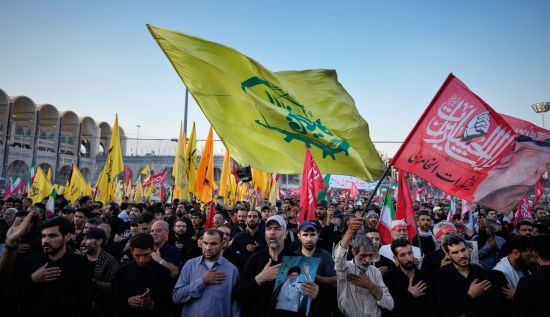
The conflict in Lebanon presents another major source of instability. While the memorandum called for an end to military operations, Israel—which was not a party to the agreement—has continued strikes against Hezbollah positions. Iran has linked its own cooperation, including on Hormuz, to the cessation of those operations, creating a situation in which a third-party conflict could derail the broader diplomatic process.
The Nuclear Dispute Remains Unresolved
The central disagreement over Iran’s nuclear program has not been settled. Tehran continues to insist on its right to enrich uranium, while Washington seeks the removal of Iran’s enriched uranium stockpile and significant restrictions on its nuclear activities. Sanctions relief and the unfreezing of Iranian assets have provided incentives for negotiations, but the core issue has merely been postponed.
Recent military incidents—including attacks on commercial shipping, U.S. strikes on Iranian facilities, and Iranian retaliation against American positions in Bahrain and Kuwait—demonstrate how quickly the situation can escalate. Diplomatic efforts have continued, but negotiations have repeatedly been diverted by new security crises.
A Pause Rather Than a Peace
The memorandum has bought valuable time, but it has not removed the factors that brought the United States and Iran to the brink of a wider regional war. Whether that window leads to a lasting settlement or simply allows all sides to prepare for another round of confrontation will determine the future stability of the Gulf region, the security of global energy supplies, and the durability of the current ceasefire.
Read the full article by Valentyn Gladkykh, political analyst and expert at the United Ukraine Think Tank.