Today at 16:02

The conflict in Ukraine, Russia’s use of energy as leverage, and economic instability call for a single solution: only a more united and extensive Europe can withstand the shocks of the 21st century. The Copenhagen summit will reveal whether leaders are prepared to meet this challenge.
On October 2, 2025, the European Political Community (EPC) Summit takes place in Copenhagen. This initiative was launched to create a political platform broader than the European Union itself, allowing both EU members and countries seeking integration to coordinate their policies. Against the backdrop of Russia’s war in Ukraine, intensifying energy rivalry, and growing economic uncertainties, the EPC is moving beyond being just a secondary discussion forum. Its importance will be judged by Europe’s ability to produce coordinated strategies that both bolster security and strengthen economic resilience. The Copenhagen Summit represents a crucial test: can Europe adopt a vision of a “broader Europe,” where security and development are linked from the Atlantic to the Black Sea and across the Balkans?
Read more in the article by Igor Popov, head of United Ukraine Think Tank, expert on political and security issues.
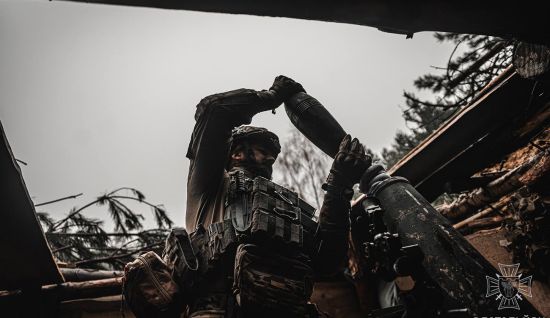
Firstly, Popom argues that without Ukraine, Moldova, and the Western Balkans, Europe remains exposed to Russian pressure. Ukraine, engaged in a full-scale war for more than three years, functions as the EU’s eastern shield, holding back Russian forces that, if successful, could directly threaten NATO and EU members. Moldova faces heightened risks from Russian hybrid tactics, energy coercion, and political interference.
The Western Balkans is another vulnerable area, where weak institutions and ongoing political crises provide openings for Russian influence. The absence of these countries from a unified European security framework leaves systemic gaps that Moscow exploits to destabilize the region. Expanding Europe’s security architecture to include these states is therefore not optional—it is essential.
Secondly, political expert emphasizes that opening membership talks for Ukraine, Moldova, and the Western Balkans should be seen not as a symbolic gesture, but as a practical tool for regional stabilization. Integrating these countries into Europe helps reduce Russian influence and prevents domestic political crises. The “negotiations without opening clusters” approach could offer a compromise, signaling that integration is inevitable while allowing flexibility in pacing and requirements. This approach is especially relevant during wartime, when standard negotiation procedures are too slow to respond to rapidly evolving security threats.
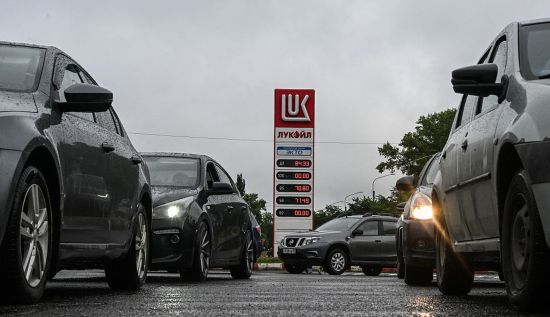
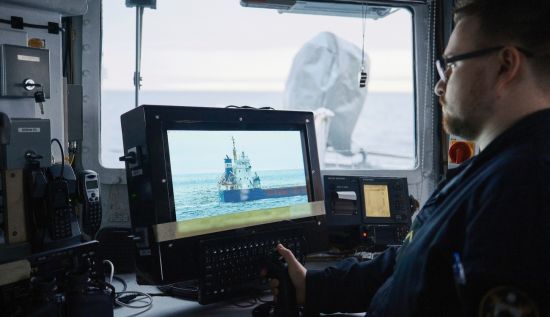
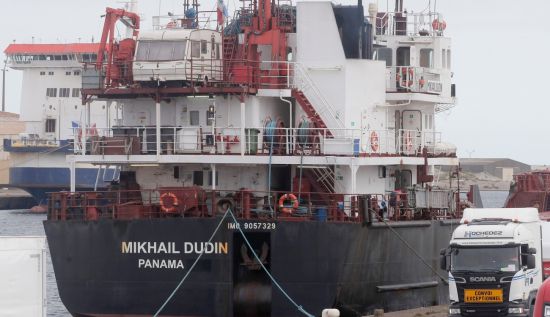
The EU has already imposed 18 rounds of sanctions on Russia, yet their impact is waning as the Russian economy adapts and circumvention methods develop. This is particularly evident in the use of a “shadow fleet” of oil tankers and third-country intermediaries in energy trade. Future sanctions should target these loopholes and focus on sectors vital to Russian military production, including technology, microelectronics, and dual-use goods. The purpose of sanctions is not merely symbolic punishment, but to create conditions that compel the Kremlin to negotiate. Achieving this requires full EU cohesion, without granting exemptions or special arrangements to individual member states.
Finally, the author summarizes that the EU cannot effectively confront today’s security and economic challenges by staying within a limited circle. Without integrating Ukraine, Moldova, and the Western Balkans, Europe’s security architecture remains exposed, and its economic policy incomplete. The Copenhagen Summit must focus on three critical priorities: initiating membership negotiations (including flexible approaches), adopting new sanctions and fully phasing out Russian energy resources, and establishing mechanisms to utilize frozen Russian assets. Only by pursuing all three measures together can Europe become a capable actor, able to independently shape its security and economic future.
Read the full article by Igor Popov on The Gaze: The Copenhagen Summit: Can Europe Build a Security Architecture That Includes Ukraine?
Read also: Why the West Needs Ukraine in Its Defense Industry