Today at 17:00

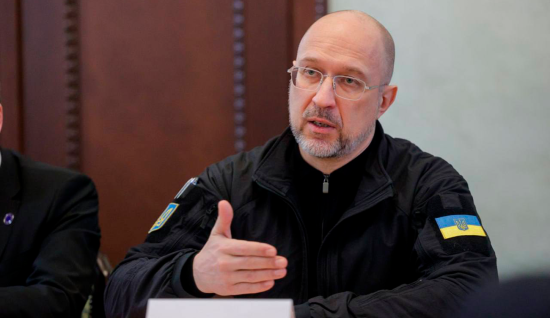
Ukraine is rebuilding its war-damaged energy system around a new decentralized model designed to be more resilient, flexible, and resistant to attacks, First Deputy Prime Minister and Energy Minister Denys Shmyhal said at the Architecture of Security Forum, UATV English reports, citing the Energy Ministry.
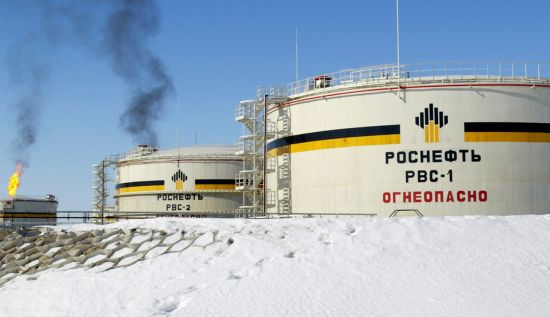
According to Shmyhal, Russia’s repeated attacks on Ukrainian energy infrastructure have demonstrated the vulnerability of highly centralized energy systems.
“The war has shown that the concentration of energy assets means the concentration of risks,” he said.
To address this challenge, Ukraine is developing a system based on the principle of decentralized “energy cells” — smaller, distributed energy units that can continue operating even if other parts of the network are damaged.
Shmyhal outlined four levels of energy resilience that form the basis of the new model:
- The state level;
- Regional authorities;
- Local communities;
- Private businesses.
Each level, he said, has its own responsibilities and tools for ensuring energy security.
The minister emphasized that resilience must be integrated into both infrastructure and management systems. This includes physical fortification of facilities, air-defense protection, cybersecurity measures, backup systems, modular equipment, and the ability to conduct rapid repairs after attacks.
He noted that the speed of restoration has become one of the most important indicators of energy security during wartime. As a result, Ukraine is stockpiling critical equipment and reserve components ahead of the next winter season.
Beyond domestic resilience, Shmyhal said Ukraine aims to become an important regional energy hub connected to broader European energy corridors.
“Russia tried to turn energy into a tool of our exhaustion. We must turn it into a tool of our resilience,” he said.
The strategy reflects Ukraine’s broader effort to modernize its energy sector while adapting to the realities of continued Russian strikes on critical infrastructure, a challenge that has accelerated investment in distributed generation, renewable energy, backup power systems, and closer integration with the European energy market.
Read also: The First AI War: How Project Maven Is Reshaping Armed Conflict