Today at 20:01

In 2025, Russia’s attempts to expand its influence across Africa have largely failed. Military adventurism, mercenary networks, and corrupt deals have proven unsustainable, leaving a vacuum across the Sahel and Central Africa. Countries like Mali, Burkina Faso, Niger, and the Central African Republic no longer see Moscow as a guarantor of stability, while Wagner mercenary structures have fragmented into local groups competing for resources.
Read the full analysis by Volodymyr Kuznetsov, expert at the United Ukraine Think Tank.
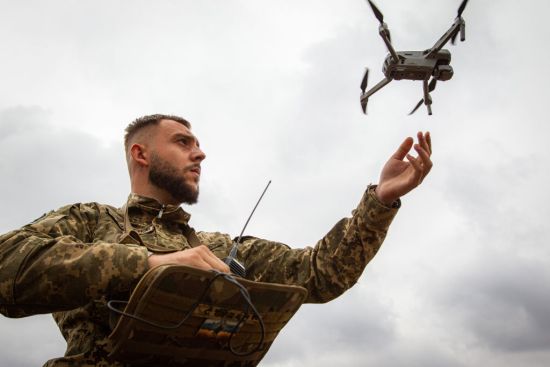
This vacuum opens a unique window for Ukraine and the EU. Kyiv brings what Russia cannot: security technologies that stabilize territories without occupation, including drones, electronic warfare, AI-based monitoring, cyber defense, and logistics for ports and food corridors. These solutions are already battle-tested in Ukraine, proving that order and stability can be maintained without political control.
For Europe, the stakes are clear. Africa’s stability directly affects migration, terrorism, and food security, while the continent itself represents a critical market and a field for global economic influence. Partnering with Ukraine allows the EU to offer “light stabilization” — practical security and development support without a colonial footprint. Kyiv’s technological approach turns its wartime experience into tools for shaping Africa’s future.
Read the full article by Volodymyr Kuznetsov, expert at the United Ukraine Think Tank.