Yesterday at 21:26
Explore the latest Ukraine-Russia war updates: Ukrainian drones target Russia’s shadow oil fleet, crippling sanctions-busting tankers. Kremlin claims Pokrovsk capture debunked amid fierce urban fighting in Donetsk. US-Russia peace talks in Moscow yield no breakthroughs, while Ukraine-US discussions in Florida focus on de-escalation and reconstruction. New US National Security Strategy prioritizes swift Ukraine conflict end, urging Europe-Russia relations. Putin escalates with massive strikes on energy infrastructure and Chornobyl threats, spreading disinformation on Kharkiv-Chernihiv offensives. Frontline analysis, economic impacts, and global reactions in this UATV Ukraine Update.
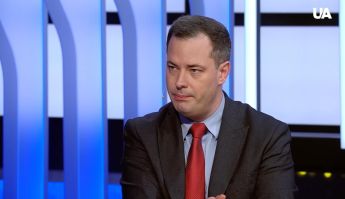
In this exclusive interview, political commentator and PhD in political science Jason Jay Smart breaks down most of these topics.
— Let’s start with the U.S.–Russia talks on December 2nd. Washington described the meeting as positive, but the Kremlin—through Yuri Ushakov—immediately said it was fundamentally different. Who do you think is right, and what is Moscow expecting when it makes such statements, disagreeing with the U.S. opinion?
— We need to understand several things. First, each side has an audience. In Russia, Ushakov speaks to the domestic audience and shapes what will appear in Russian news the next day. Another goal is to portray Russia as unwilling to agree and demanding more concessions.
The United States, on the other hand, issued a statement saying the talks were good and progress was being made. They’ve been saying that for ten months. Their goal is also domestic—to show that diplomacy is moving forward.
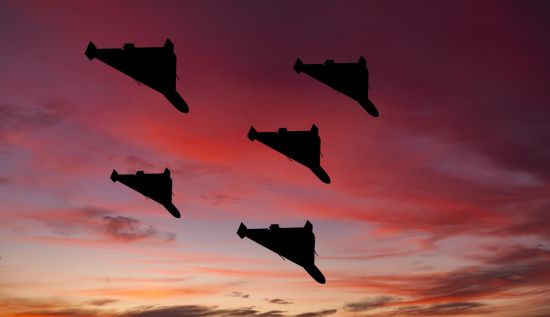
But the reality is that Russia is not interested in peace. This is a show. These talks will eventually break down. Just last night, Russia launched one of the largest drone and missile attacks of the war. That tells you everything about their intentions.
— Do you agree that Russian attacks reflect the scale of Russia’s lies about the situation on the front line? For example, they recently claimed on state TV that Pokrovsk is a Russian city.
— Yes. The reality of the war is very different from what Russian officials claim. Russia is failing in many ways.
They’ve lost over 1,100,000 soldiers in three and a half years. They are burning through tens of billions of dollars they can no longer afford. The ruble is expected to devalue by 35–45% within the next month.
Elites in Moscow are fighting among themselves. The FSB and the military are in open conflict, threatening regime stability.
Russia claims victories because it cannot claim the real objectives it failed to achieve. Instead of taking Kyiv in three days, they are still trying to take Pokrovsk—a town few people had ever heard of before the war. That is not a victory.
— Why is the situation on the front line so important in current negotiations?
— Russia needs to sell the idea that progress is being made so that when negotiations collapse, it can claim, “We were already advancing; there’s no reason to stop.”
They also want the West to believe that non-occupied territories in Donbas are about to fall. If the West believes this, it may accept Russian demands “to save lives.”
But the idea is absurd. At Russia’s current casualty rate—170–180 soldiers per square kilometer—it would cost them over 1.25 million additional casualties to take the rest of Donbas.
History also shows Russia struggles in conflicts with smaller countries. There is no realistic path to victory.
— Considering Russia’s near-default economic situation and the huge costs of the war, where will they find the resources to continue?
— Russia is running a Ponzi scheme. It issues government bonds that are bought by other branches of the government.
More importantly, Russia has begun selling off its gold reserves. Elites understand the ruble is becoming worthless, so they convert rubles into gold. Gold appreciates and can be sold anywhere—unlike rubles.
This signals that many elites are preparing to escape when the system collapses. And the collapse is getting closer.
— Ukrainian experts say Russian soldiers are unpaid, morale is very low, and conditions are worsening. How long can soldiers remain on the front line like this?
— This pattern has appeared before—in World War I and Afghanistan. Russia overextends itself, ignores reality, and collapses.
Desertions are increasing. Mortality and suicides in the Russian military are rising. Some soldiers even kill their own officers.
If you add unpaid wages and the coming 35–45% ruble devaluation, the financial incentive disappears. Russia already struggles to recruit anyone except the desperate. When the pay becomes worthless, the army will face internal collapse.
— What is the impact of Ukrainian strikes on Russian oil infrastructure?
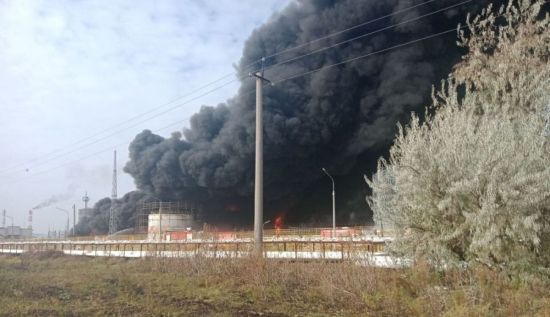
— Extremely significant. Over 20% of refining capacity has been taken offline. Some refineries—like Ryazan—have been hit a dozen times. Russia’s neighbors that rely on Russian fuel now face shortages, so Russia is no longer a reliable partner.
Ukraine is striking the most complex components—often Western-made parts Russia cannot replace due to sanctions. This creates a cascading, systemic collapse in the oil sector.
Meanwhile, attacks on Russia’s “shadow fleet” are scaring off companies. Insurance is impossible because a tanker carrying $70 million worth of oil may be destroyed and never paid for.
Russia’s ability to use oil in its national strategy is diminishing.
— There are already fuel shortages in parts of Russia. What would you say to people living in Russia?
— Most Russians have no agency. They are poor, far from Moscow, cannot influence politics, and have no resources.
The only groups with leverage are the elites in Moscow and St. Petersburg. They should understand their country is heading toward disaster, and their leaders will not save them.
Look at the Wagner mutiny: nobody defended the Kremlin. Security services did nothing. Putin fled Moscow. Elites hid.
The regime is weak, corrupt, and concerned only with enriching itself. Russian people and soldiers are exploited and abandoned by their own leadership.
— If negotiations fail and Russia doesn’t get what it wants, will anything change inside the Kremlin?
— Not really. Russia didn’t seek these negotiations; it was pressured into them. They want to look cooperative while continuing the war.
Putin’s behavior before the talks—appearing in uniform, making threats, arriving three hours late—was intended to project strength and disrespect the process.
These negotiations will fail because peace is not in the interest of the elites. Their survival depends on continued conflict.
— Wittkoff and Kushner did not comment on their talks in Moscow. Why?
— Because the talks failed. Western negotiators still think this is a territorial dispute. It isn’t.
For Putin, the war serves the interests of oligarchic clans that keep him in power. Unless the West threatens the regime’s survival, nothing will change.
Russia has delayed negotiations for 70 years across every U.S. administration. Its goal is not peace but sanctions relief and unfreezing assets.
— Talks in Moscow lasted five hours, while talks in Florida lasted three days. What does this mean?
— It highlights that Russia is not seriously negotiating.
When Ushakov and Dmitriev discussed what to send to the U.S., they agreed in minutes to send a maximalist 28-point plan. They ignored ten months of previous talks. Why? Because none of it matters to Russia. Their positions never change.
Russia deliberately prolongs the process, hoping Western leaders—facing elections and news cycles—will cave to pressure and accept a bad deal.
— What do you expect in the next two or three months of negotiations?
— Russia will continue delaying. If they get even a small concession—like partial sanctions relief or access to frozen assets—they will consider these ten months a major success.
Their strategic goal is to secure resources to continue the war, not reach peace.
— Could we see new large sanctions?
— The key is not new sanctions but enforcing existing ones—especially stopping the shadow fleet.
International law obligates the West to stop unsafe, illegal oil transport. Doing so would serve Western interests and severely restrict Russia’s finances.
Stopping the shadow fleet and prosecuting those who operate it would be the most effective step.
Read also: Anna Danylchuk: Kremlin PUSHES Trump deal for UKRAINE CAPITULATION