Yesterday at 21:26

Ukraine’s reconstruction needs, now estimated at $588 billion over the next decade, present both a historic opportunity and a major strategic challenge. Beyond rebuilding destroyed infrastructure, the country faces a critical question: whether reconstruction will create a stronger, more sovereign economy — or deepen long-term dependence on external financing.
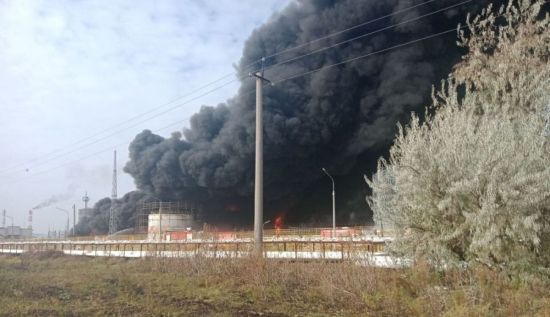
According to international assessments, the housing, transport, and energy sectors remain among the most heavily damaged by the war, while Ukraine continues to rely heavily on foreign assistance to finance recovery and social stability.
Analysts note that the structure of international aid matters as much as its size. Grant-based support, transparent financing mechanisms, and diversified donor participation are increasingly viewed as essential to avoiding excessive political or economic dependence on any single external actor.
At the same time, Ukraine is attempting to transform reconstruction into a broader economic modernization project — focusing on localization, industrial development, digital governance, anti-corruption reforms, and integration into European value chains.
Sectors such as energy, transport, housing construction, and demining are expected to become central drivers of a new economic model, while international investors continue to monitor reforms related to the rule of law, investment protection, and regulatory stability.
Experts argue that Ukraine’s long-term success will depend not only on attracting funding, but on ensuring that reconstruction strengthens domestic industry, expands private-sector participation, and creates sustainable economic growth rather than a cycle of permanent external dependency.
Read more in the full article by Bohdan Popov, Head of Digital at the United Ukraine Think Tank, communications specialist and public figure.
Read also: Volodymyr Zelenskyy: Ukraine’s Presence in the EU Must Be Full and Equal