Today at 18:18
The European Commission on June 9 presented its proposed 21st package of sanctions against Russia, focusing on energy, financial services and cryptocurrencies, trade, and— for the first time—fisheries, UATV English reports.
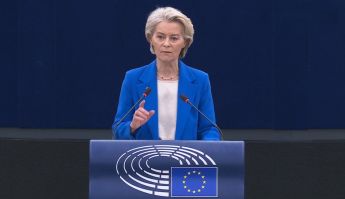
European Commission President Ursula von der Leyen announced that the package includes measures targeting Russia’s energy sector, banks, trading and fishing companies.
“Today, we are presenting the 21st sanctions package. We are focusing on the sectors with the greatest impact: energy, financial services and cryptocurrencies, trade, and this time, for the first time, fisheries,” von der Leyen said.
She also confirmed that the European Commission wants to ban entry into the European Union for former Russian combatants.
The sanctions package must now be reviewed and unanimously approved by the Council of the European Union.
Energy Sector
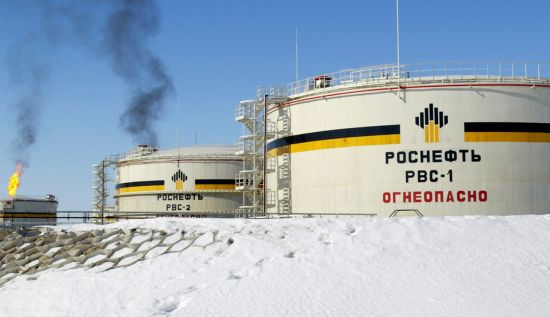
The main goal of the energy-related measures is to further reduce Russia’s oil revenues, including by freezing adjustments to the price cap on Russian oil.
“Our oil price cap includes an adjustment mechanism to reflect market conditions. It was not designed for market shocks such as those caused by the closure of the Strait of Hormuz. Therefore, we propose suspending adjustments until January next year. This will give oil markets time to stabilize while maintaining pressure on Russia’s revenues,” von der Leyen said.
The EU also plans to tighten restrictions on Russia’s shadow fleet.
“Today, we propose listing another 30 vessels in addition to the 632 already under sanctions. For the first time, we are also targeting vessels that support the shadow fleet by providing towing and other services. We are further proposing measures against critical infrastructure such as ports, airports, and refineries that trade in or process Russian oil,” she added.
The package would also restrict the sale of LNG tankers to Russia, similar to existing restrictions on oil tankers.
Financial and Crypto Restrictions
The proposed package includes:
- Transaction bans on an additional 31 Russian banks.
- Restrictions on 20 banks, crypto firms, platforms, and oil traders in third countries that have assisted sanctioned Russian entities or helped circumvent sanctions.
- For the first time, the EU seeks authority to impose a complete ban on crypto-asset service providers from third countries involved in sanctions evasion.
Trade Measures
The European Commission proposes new export restrictions on goods and technologies used by Russia’s military-industrial complex.
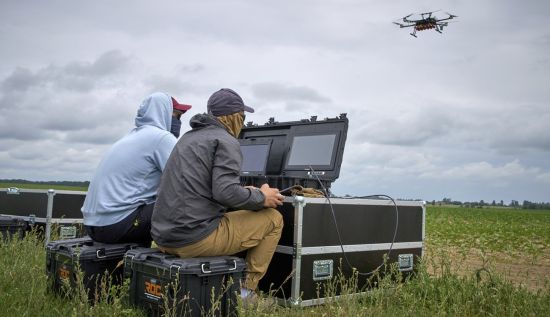
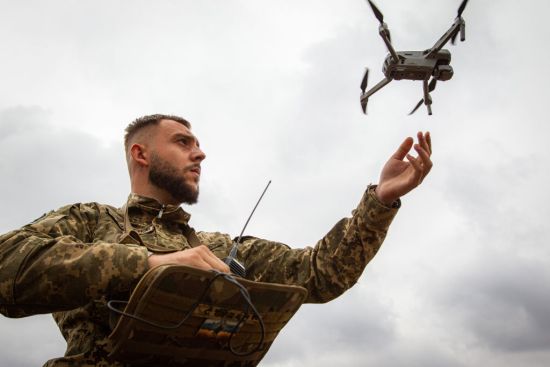
“We are targeting additional metals and alloys used in the aerospace and defense sectors. Regarding drones, we propose new export bans on ground support equipment, jamming systems, launch systems, and other related items. We also propose new import bans covering goods worth €60 million, including certain metals, metal ores, and automotive parts,” von der Leyen said.
Fisheries and Belarus
For the first time, the EU is proposing substantial restrictions on imports of certain fish products and a complete ban on others, including cod.
“We will align trade restrictions on Belarus to ensure it cannot serve as a back door for Russian trade,” von der Leyen added.
Entry Ban for Russian Combatants
Von der Leyen also announced a proposal to prohibit entry into the EU for anyone who has served in the Russian armed forces since the beginning of the war against Ukraine.
“For the first time, we are proposing to ban entry into the European Union for anyone who has served in Russia’s armed forces since the start of the war,” she stated.
“Europe will remain closed to all those who took part in the invasion of Ukraine.”
According to previous reports, the EU aims to approve the 21st sanctions package by July 15, ahead of the deadline for updating the price cap mechanism on Russian oil.
EU foreign policy chief Kaja Kallas has also indicated that the package may include additional measures against Russia’s military-industrial complex and its shadow fleet.
Read also: Zelenskyy: Europe Must Be Present at a Leaders’ Meeting on a Ceasefire